Top 10 Tips to Buy Vending Machine Successfully?
Buying a vending machine can be a lucrative venture. However, it requires careful consideration. The process is not always straightforward. You may face challenges and unexpected hurdles along the way.
When you decide to buy a vending machine, several factors come into play. It's not just about the price. Location, product selection, and machine reliability are crucial. It’s vital to research the market before making a choice. Have you thought about what products will sell best? Sometimes, selecting the right snacks can make or break your business.
Many first-time buyers overlook maintenance costs. Will you be able to handle repairs? Or will you seek professional assistance? Understanding what you are getting into is essential. These are crucial questions that need honest reflection. Design a clear plan before investing your money. The journey of buying a vending machine is not just about making profits; it’s an opportunity to learn and grow.
Understanding Your Vending Machine Business Goals
When embarking on your vending machine business journey, understanding your goals is crucial. Clear objectives guide your decisions. Do you want to generate a steady income or explore a side hustle? Maybe you aim to provide convenience in high-traffic areas. Defining these goals early on shapes your strategy for success.
Investing wisely is a key tip. Research various machine types and their locations. Some machines perform better with snacks, while others excel with drinks or healthy options. Consider who your target customers are. If they’re busy professionals, workplaces might be ideal. Yet, a busy park could better serve families.
Don’t overlook the importance of maintenance. Machines require regular checks to stay functional. Neglect can lead to lost sales. Look at your initial investment and think long-term. Will the income cover repairs and restocking? Reflect on your budget as you make choices. Adjust as needed, and don’t shy away from learning from mistakes. Whether it’s a location that flops or a product that doesn’t sell, each experience is a lesson.
Researching the Best Locations for Vending Machines
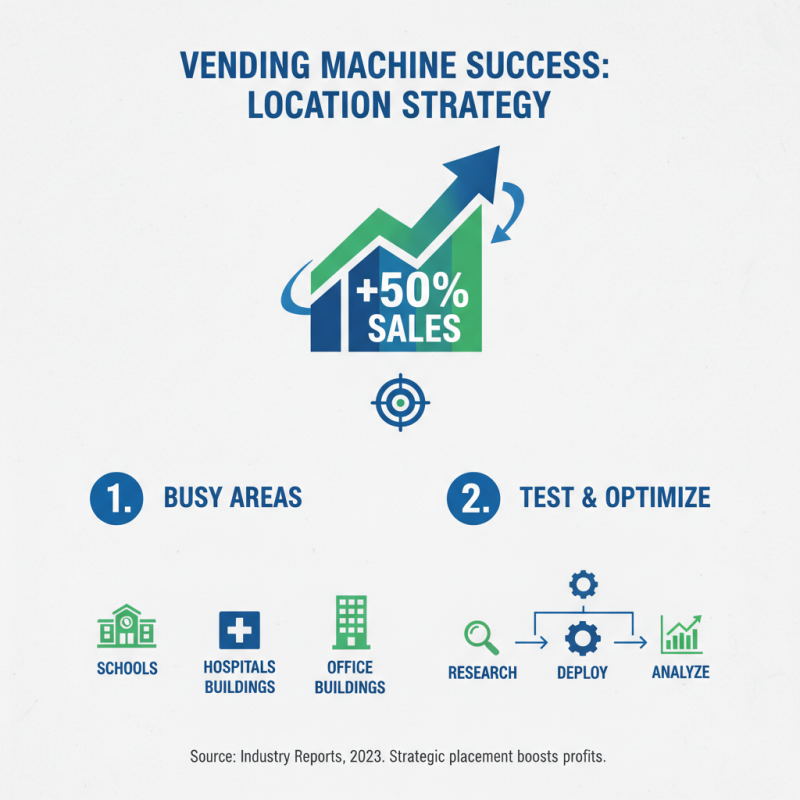
Finding the right locations for vending machines is crucial for success. According to recent industry reports, strategic placement can increase sales by up to 50%. Busy areas like schools, hospitals, and office buildings often yield the best results. However, it's not always clear which locations will perform well. Testing various placements can be essential.
Local foot traffic matters. Areas with a high density of people, like shopping malls or gyms, usually generate more revenue. However, the peak hours must also be considered. For example, a vending machine in a break room may see spikes during lunch hours. If you only rely on data, you might miss these peaks.
Also, competition can affect performance. In some locations, multiple vending machines can saturate the market. Understanding the purchasing habits of the area can make a significant difference. Just one misjudged location could lead to disappointing sales. Using tools like surveys or observation for research can provide insights that raw data cannot fully explain.
Evaluating Different Types of Vending Machines Available
When evaluating different types of vending machines, consider your target market. Locations dictate the needs. For snack options, schools or offices may be ideal. But for beverages, gyms or waiting areas can generate more sales.
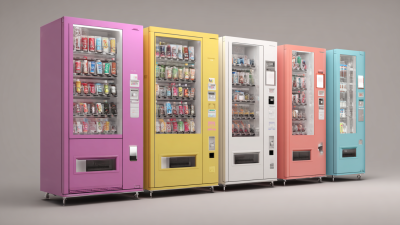
Understand the machine's capacity and the variety offered. Some machines can hold different items like snacks, drinks, or healthy options. This adaptability can cater to various consumers. Yet, not all machines perform equally. Watch out for those with frequent breakdowns or limited features.
Tip: Research the most popular items in your area before choosing. You could focus on healthy snacks if your spot is near a gym. However, high-demand locations might prioritize classic snacks. Also, assess the competition. Are there similar machines nearby? A crowded market can dilute profits. So, choose your placement wisely.
Assessing Costs and Budget for Your Vending Machine Purchase
When looking to buy a vending machine, assessing costs and budgeting is crucial. Research indicates that the average cost of a vending machine can range from $3,000 to $10,000, depending on the type and features. For a beginner, starting with a smaller machine could minimize initial expenses. However, it's essential to consider ongoing costs, such as inventory and maintenance.
One key tip is to outline your maximum budget before purchasing. This helps avoid overspending and encourages thoughtful choices. Unexpected costs often arise, like shipping and installation fees. Keeping 15% of your budget for these extras can help you stay on track. Analyze potential locations for your machine, as placement can affect your earnings.
Another consideration is product selection. Choose items that fit your target market and are popular in your area. Ideally, conduct a survey or look at local sales data to guide your stock choices. Avoid the temptation to fill your machine with too many options; simplicity can enhance sales. Focus on fast-moving items that can provide a quicker return on investment.
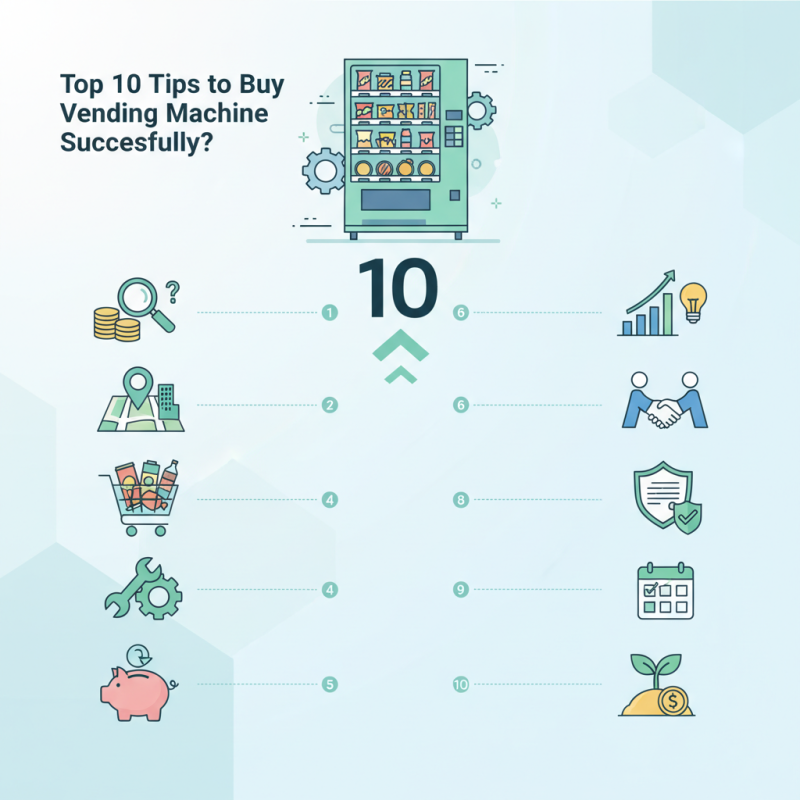
Top 10 Tips to Buy Vending Machine Successfully
Selecting Reliable Suppliers and Manufacturers for Vending Machines
When selecting reliable suppliers and manufacturers for vending machines, do thorough research. Look for companies with good reviews and solid reputations. Online forums and local business groups often share experiences. This can give insight into the supplier's reliability.
Request samples before making a large purchase. A sample machine helps you assess quality. Examine the machine's features and construction. Ask questions about warranties and support. Reliable suppliers should have clear responses. Their willingness to communicate reflects their commitment to service.
Consider the supplier's experience in the industry. Longevity can indicate stability. However, newer companies may offer innovation. Balance your selection with both established and emerging businesses. Always be cautious. A low price might mean compromising on quality. Prioritize your needs carefully.