Top 10 Smart Vending Machines in China You Need to Know?
In recent years, smart vending machines have transformed the retail landscape in China. These machines blend technology and convenience, catering to the growing demand for automated services. According to a report by Research and Markets, the market for smart vending machines in Asia is expected to reach $1.8 billion by 2025. This growth reflects a shift in consumer behavior towards more streamlined shopping experiences.
Smart vending machines utilize advanced features such as touchscreens, cashless payments, and real-time inventory management. This innovation attracts tech-savvy customers looking for efficiency. For instance, companies like IntelliVend are setting new standards by offering healthy snack options and personalized promotions. However, the rapid expansion of these machines raises concerns about data privacy and maintenance challenges.
Smart vending machines are not just about convenience; they can also serve as marketing tools. Brands use them to engage customers, often integrating social media options. Yet, the balancing act between technology and user experience is delicate. Some users report frustrations with machine malfunctions and software glitches. The evolving landscape of smart vending presents both opportunities and obstacles for stakeholders in this dynamic sector.

Innovative Features of Smart Vending Machines in China
Smart vending machines have revolutionized the retail landscape in China. These machines are not just for snacks and drinks anymore. Some are equipped with advanced technology to cater to a diverse range of consumer needs. For example, facial recognition is becoming a common feature. This tech enables personalized recommendations. It creates a unique shopping experience tailored to individual preferences.
Additionally, many smart vending machines now accept various payment methods. Mobile payments are particularly popular among consumers. This convenience eliminates the need for cash, making transactions faster and more efficient. Some machines even track user purchasing habits. This data can enhance inventory management and provide valuable insights into consumer trends.
However, challenges remain. Not all users are comfortable with high-tech features. Some may prefer traditional vending machines. Furthermore, maintenance and service can be problematic. Machines must be regularly stocked and serviced to ensure reliability. As technology evolves, the balance between innovation and user comfort will shape the future of vending in China. Addressing these concerns is vital for broad acceptance and sustained growth.
Popular Products Offered by Smart Vending Machines
Smart vending machines have transformed the way we shop in China. With their advanced technology, they offer a wide range of popular products. From snacks to beverages, these machines cater to various preferences. You can find nutritious options like protein bars and organic juices. Not just that, there are also trendy items like bubble tea and artisanal cookies.
The convenience of these machines is impressive. They often accept mobile payments, making transactions quick and easy. Imagine grabbing a refreshing drink on a hot day or selecting a healthy snack during your break. However, some machines may run out of certain items quickly. This inconsistency can lead to frustration for users.
Additionally, while many machines are well-stocked, not every location provides the best assortment. Sometimes, you may encounter outdated products that are less appealing. Despite these minor setbacks, smart vending machines remain a fascinating evolution in retail. They continue to adapt to consumer demands, revealing potential for future growth.
Technology Behind Smart Vending Machines: AI and IoT
Smart vending machines in China have gained traction, driven by advancements in artificial intelligence (AI) and the Internet of Things (IoT). These technologies enable machines to interact with consumers and enhance user experience. A report from Statista indicates that the smart vending machine market is expected to grow significantly, reaching nearly $8 billion by 2025.
AI plays a crucial role in predicting consumer preferences. It analyzes purchasing patterns and suggests tailored products. For instance, these machines can adapt to the time of day or weather conditions. If it’s hot outside, they might promote cold beverages. The IoT allows for real-time data collection, ensuring machines are stocked adequately and reducing downtime. According to research by MarketsandMarkets, IoT-enabled vending machines are projected to increase operational efficiency by 25% within the next few years.
However, challenges exist. Security concerns regarding data breaches can undermine consumer trust. Also, the reliance on technology might alienate certain user demographics. While smart vending machines offer convenience, errors in AI predictions can disappoint users. Misunderstanding consumer needs could lead to unappealing product selections. As the industry evolves, continuous reflection on these issues is essential for improvement.
Best Locations for Smart Vending Machines in Urban Areas
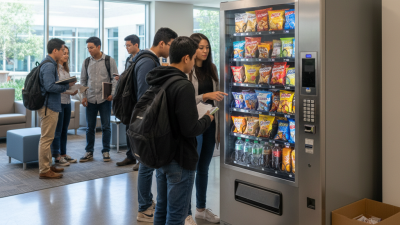
Smart vending machines are becoming increasingly popular in urban areas of China. These machines offer a variety of products, from snacks to gadgets, and are conveniently located in high foot traffic zones. Places like subway stations, shopping malls, and university campuses are ideal for these smart machines.
According to recent industry reports, urban areas see a 30% higher usage rate of vending machines compared to rural regions. This highlights the importance of strategic location in maximizing sales.
Investing in technology is essential for these machines. Many incorporate cashless payment systems and touchscreen interfaces. These features enhance user experience and cater to a tech-savvy demographic. However, not all locations yield high returns. Factors such as visibility, accessibility, and surrounding competition must be considered carefully.
Placing machines in areas with dense crowds can boost profits. But, awareness of local competition is crucial. Regularly assessing consumer behavior helps in identifying gaps and potential improvements.
To maximize effectiveness, operators should analyze performance data regularly. This allows for adjustments in product offerings based on customer preferences. Rethinking placement strategies can also lead to better results. Continuous adaptation is key in this dynamically evolving market.
Impact of Smart Vending Machines on Consumer Behavior in China
Smart vending machines are changing consumer behavior in China. These machines offer convenience and a wide range of products. With cashless payment options, they attract tech-savvy shoppers. Customers can quickly choose items using touchscreens, reducing decision time. This speed is crucial in busy urban areas where time is valuable.
The interaction with these machines often feels engaging. However, the reliance on technology raises some concerns. Not all consumers are comfortable with digital payments. Older generations may prefer traditional options. Moreover, there are issues with machine maintenance and product availability, which can frustrate users. Some machines may offer limited choices, leading to dissatisfaction.
Despite these challenges, the overall impact is significant. Young consumers appreciate instant access to products. Smart vending machines represent a shift in retail. They reflect changing preferences in a fast-paced society. Understanding these dynamics can help improve machine design and user experience. Embracing both technology and consumer needs is essential for future success.