China Top Smart Vending Machine Suppliers?
China has become a major manufacturing base for Smart Vending equipment, serving supermarkets, offices, campuses, hospitals, and transport hubs. However, choosing a supplier requires more than comparing factory prices. Buyers should examine product testing, software stability, payment security, warranty coverage, spare parts, and export experience.
Ravi Venkatesan, chairman and CEO of Cantaloupe, has stated, “The future of retail is increasingly autonomous, connected, and convenient.” This idea reflects the core value of Smart Vending. A reliable machine should accept cashless payments, update inventory remotely, control temperature accurately, and report faults quickly. A buyer should also request live demonstrations. Photos are not enough.
China’s top suppliers often specialize in different categories. Some focus on refrigerated food machines. Others develop fresh-food cabinets, beverage coolers, or robotic retail systems. The strongest candidates can explain hardware limits without hiding behind technical language. That matters. A beautiful touchscreen cannot repair poor refrigeration.
Real operating details deserve attention. Ask how long a machine runs in a hot warehouse. Check whether door sensors remain accurate after repeated use. Confirm the response time for service tickets. Also, review certifications for the target market and verify data-protection practices.
No supplier is perfect. Even experienced manufacturers may have software delays, imperfect translations, or inconsistent after-sales support. That weakness should be discussed openly. A careful comparison of China Smart Vending suppliers can reduce long-term costs and prevent expensive surprises. Reliability is rarely visible on day one. It appears during the thousandth transaction.
What Makes a Smart Vending Machine Different?
What Makes a Smart Vending Machine Different?
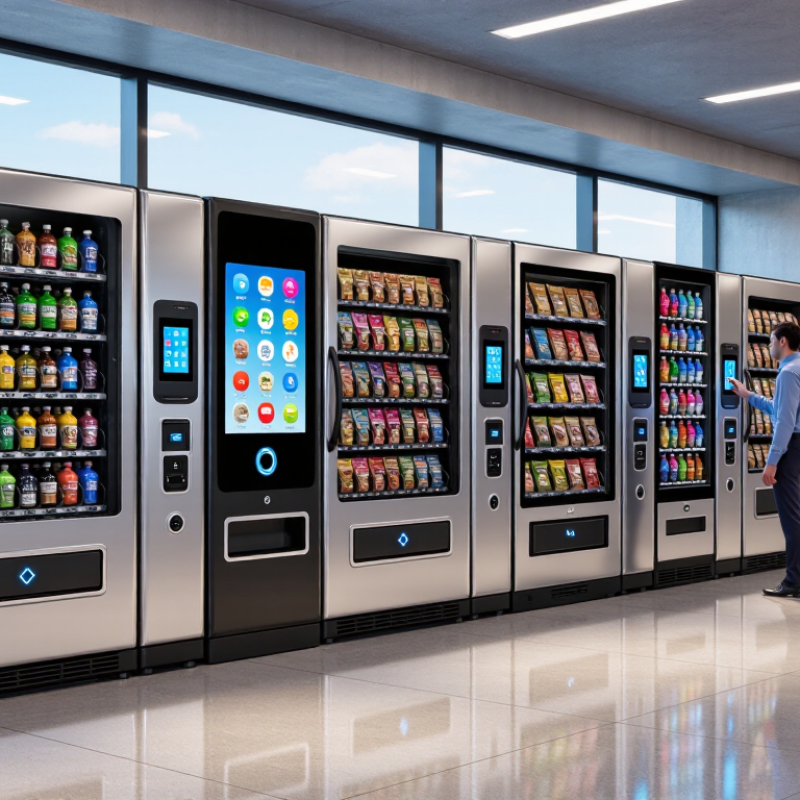
A smart vending machine does more than release a product after payment. It connects sensors, software, and remote monitoring in one operating system. Cameras or weight sensors can confirm stock levels, temperature, and product movement. A manager may see an empty spiral before a customer reports it. That small detail can reduce missed sales.
Cashless payment matters. So does reliable connectivity.
The global smart vending machine market is projected to grow strongly, according to Grand View Research’s industry analysis. The report identifies telemetry, digital payments, and automated inventory control as major growth drivers. A separate Allied Market Research report also forecasts rapid expansion through 2032. These figures show demand, but they do not guarantee quality. Hardware still needs testing in real locations.
When comparing Chinese suppliers, request live demonstrations and maintenance records. Check whether the machine sends alerts within minutes, not hours. Test payment recovery after a network interruption. Inspect the cooling system beside a busy entrance, where dust and heat are common. Ask for clear data protection procedures and software update schedules.
Some machines look intelligent but offer only a touchscreen.
That is not enough.
A dependable system should provide sales reports, fault alerts, temperature records, and permission controls. It should also support manual operation when connectivity fails. Industry reports often emphasize efficiency, yet field experience reveals a weakness: inaccurate sensor readings can create false stock alerts. Suppliers that document calibration, spare-part availability, and response times deserve closer attention. The best choice is not always the machine with the most features. It is the one that performs consistently after installation.
What Makes a Smart Vending Machine Different?
This capability comparison shows the core difference between conventional and smart vending machines. A smart vending machine combines automated dispensing with cashless transactions, remote monitoring, real-time sales data, inventory alerts, and software-based pricing management. Scores indicate whether a capability is inherently included in the machine type rather than added as an optional upgrade.
China’s Main Smart Vending Machine Supplier Categories
China’s smart vending machine supply market includes several distinct supplier categories. Full-system manufacturers build refrigerated, ambient, or mixed-temperature machines. They usually provide cabinets, payment modules, touchscreens, inventory sensors, and remote monitoring software. Their strength is integration. However, quality can vary between models.
Software providers and system integrators form another important category. They connect machines with cloud dashboards, mobile payments, stock alerts, and sales reports. This category suits operators managing many locations. It also supports custom interfaces and data connections. Ask for software ownership and update policies before signing.
Component suppliers focus on compressors, motors, display panels, cameras, weighing sensors, and payment hardware. Their products often support machine customization and easier maintenance. Export trading companies may combine equipment from different factories. This can simplify purchasing, but technical responsibility may become unclear. My practical view is simple: verify the supplier’s factory records, sample performance, spare-parts list, and service response in writing. Some impressive demonstrations still hide weak after-sales support.
Tips: Compare the same specifications across suppliers. Test cooling recovery after frequent door openings. Check cleaning access, noise levels, energy use, and payment security. Request installation guidance and a realistic warranty. Do not judge reliability from appearance alone.
Key Technologies Used by Leading Chinese Suppliers
China’s leading smart vending machine suppliers increasingly combine hardware engineering with practical software design. Their machines often use edge AI cameras to identify products, detect empty slots, and reduce payment disputes. This processing can happen locally, which helps maintain service during unstable network conditions.
Reliable suppliers also use modular cooling systems, energy monitoring, and temperature sensors. A refrigerated cabinet may adjust compressor activity according to traffic and ambient heat. Small details matter. Door sensors, overload protection, and backup power records support safer daily operation. In field testing, technicians should check temperature recovery after frequent door openings, not only during factory inspection.
Cloud platforms connect machines with inventory dashboards, fault alerts, and sales data. Secure APIs can link approved payment services and enterprise systems without exposing unnecessary customer information. Encryption, access controls, software updates, and audit logs should be verified before deployment. Computer vision remains useful, but it can misread reflective packaging or crowded shelves. Human review and clear refund procedures are still necessary. This is an area where suppliers sometimes promise more than real operating conditions allow.
Experienced Chinese manufacturers usually offer remote diagnostics, replacement modules, and localized technical support. Buyers should request test reports, cybersecurity documentation, warranty terms, and maintenance response times. Compliance requirements also vary by destination, so electrical safety, data protection, accessibility, and payment rules need independent confirmation. A polished interface is helpful, but dependable recovery after a sensor failure matters more.
How to Compare China’s Smart Vending Machine Manufacturers
China Top Smart Vending Machine Suppliers?
How to Compare China’s Smart Vending Machine Manufacturers
Comparing Chinese smart vending machine manufacturers requires more than checking factory prices. Start with product experience. Ask for a live demonstration, not only a polished video. Test the touchscreen, barcode reader, cooling system, and restocking process. Watch the machine recover after a network interruption. Small details matter.
Review the manufacturer’s engineering evidence. Check cabinet materials, temperature records, power consumption, and payment security. Request test reports and clear explanations of applicable certifications. The software also deserves close attention. Confirm remote inventory tracking, sales data exports, user permissions, and API availability. A beautiful interface is not enough. It must remain usable after installation.
Supplier reliability appears during uncomfortable questions. Ask about spare parts, warranty limits, response times, and technician training. Request references from similar climates and operating conditions. A pilot order can reveal packing quality, installation guidance, and actual support speed. I once underestimated software documentation; later, a simple integration change caused unnecessary delays. That mistake changed my review process. Now, I ask for interface documents before signing technical agreements. Factory size can help, but transparent communication often proves more valuable. Inspect production samples when possible. Photos can hide uneven seals, weak hinges, or confusing maintenance access. Costs matter, yet the cheapest offer may create expensive downtime.
Purchasing and Partnership Considerations for Global Buyers
China Top Smart Vending Machine Suppliers? Purchasing and Partnership Considerations for Global Buyers
China’s smart vending sector offers flexible hardware, software integration, and competitive production costs. Grand View Research valued the global vending machine market at USD 21.84 billion in 2023. It also forecasts a 10.7% compound annual growth rate through 2030. These figures support long-term demand, but they do not guarantee supplier quality. Buyers should compare refrigeration performance, payment compatibility, telemetry accuracy, and replenishment access before discussing price.
Request factory audit records, product test reports, and references from similar markets. Check electrical, radio, food-contact, and data-protection requirements in each destination. A reliable supplier should explain certification scope clearly. Ask whether the quoted price includes remote monitoring, software updates, spare parts, and operator training. It often does not. A low unit price can still be expensive. Calculate total ownership costs, including shipping, installation, downtime, customs handling, and local maintenance.
Partnerships need a controlled pilot, not only a persuasive presentation. Test several machines in real locations for at least eight weeks. Measure sales conversion, cooling recovery, payment failures, inventory accuracy, and service response time. GSMA’s Mobile Economy reports show continued growth in mobile connectivity, supporting cashless vending models. However, connectivity is not the same as dependable uptime. Include service-level targets, replacement timelines, cybersecurity responsibilities, and data ownership in the contract. I would not treat a polished factory tour as proof. Independent inspection and small-batch testing remain wiser.