Exploring the Future of Coffee Making How Coffee Robots are Transforming Your Morning Brew
As we delve into the future of coffee making, one of the most exciting developments is the emergence of Coffee Robots, which are poised to revolutionize our morning brew. These innovative machines harness cutting-edge technology to streamline the coffee-making process, catering to the needs of busy individuals who crave convenience without compromising quality. According to Dr. Sarah Brewster, a leading expert in robotics and coffee automation, “Coffee Robots are not just machines; they’re the next step in how we perceive our daily rituals, transforming the art of brewing into a seamless experience.”
The introduction of Coffee Robots into our kitchens and cafes marks a significant shift in the coffee industry, blending tradition with modern technology. With programmable features and intricate brewing algorithms, these robots promise to deliver a level of precision and consistency that even the most skilled barista would envy. As we explore the nuances of this coffee-making evolution, it becomes clear that Coffee Robots are not merely a novelty; they represent a fundamental change in our relationship with coffee, elevating it from a simple beverage to an experience that can be customized to our unique tastes and preferences.
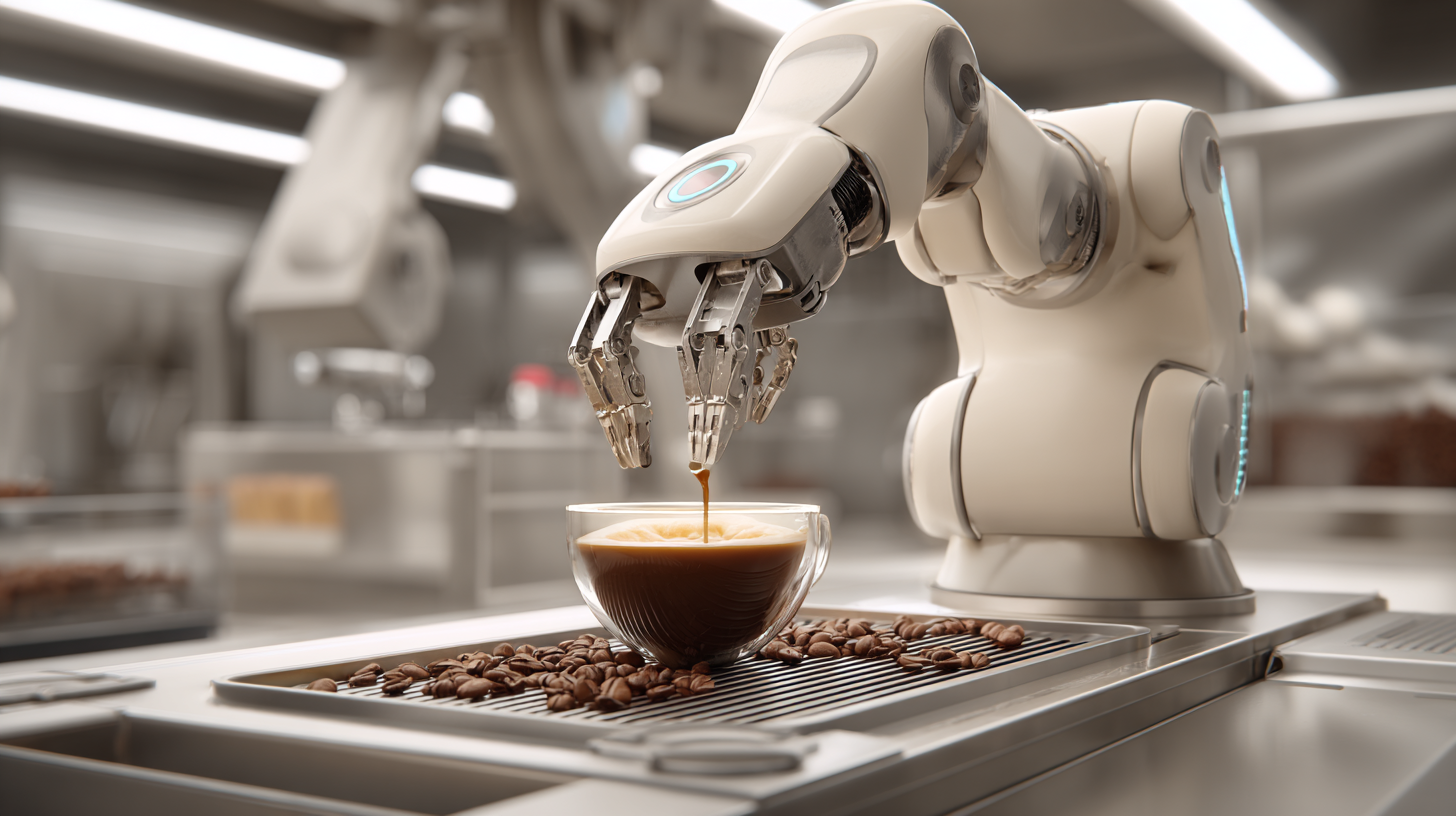
The Rise of Coffee Robots: An Overview of Automation in Coffee Making
The rise of coffee robots marks a significant shift in automation within the coffee-making industry. According to the International Coffee Organization, global coffee consumption has surged to approximately 10 million tons per year, necessitating innovative solutions to meet increasing demand. Coffee robots, equipped with advanced technologies, are not only streamlining the brewing process but also enhancing consistency and quality. A report from the National Coffee Association highlights that about 70% of coffee consumers are keen on trying automated solutions to improve their daily coffee experience.
Recent advancements in coffee-making robotics have enabled baristas to automate intricate brewing techniques previously reliant on skilled artisans. Research from Market Research Future indicates that the coffee automation market is projected to grow at a CAGR of around 12% between 2022 and 2030. This growth is largely driven by a surge in demand for personalized coffee experiences, where robots can tailor drinks based on individual preferences while maintaining speed and efficiency. As more cafes and homes adopt these automated systems, the morning ritual of coffee brewing is evolving, paving the way for a future where technology seamlessly integrates with our daily lives.
Exploring the Future of Coffee Making: How Coffee Robots are Transforming Your Morning Brew
| Feature | Traditional Coffee Making | Coffee Robots |
| Preparation Time | 5-10 minutes | 2-5 minutes |
| Coffee Quality | Varies by skill | Consistent quality |
| Customization | Limited | Highly customizable |
| User Effort | High | Low |
| Maintenance | Routine cleaning | Automated maintenance |
| Initial Cost | Low | Higher |
Industry Insights: Market Growth of Coffee Automation Technologies
The coffee automation technology market is experiencing significant growth, driven by the rising demand for convenience and efficiency in coffee preparation. According to projections, the global coffee machines market size is expected to increase from USD 9.76 billion in 2025 to USD 14.17 billion by 2033, reflecting a compound annual growth rate (CAGR) of 4.80%. This burgeoning sector is fueled by advancements in kitchen robotics and automation, which cater to both personal and commercial coffee-making needs.
As coffee culture continues to thrive, the out-of-home coffee market is also expanding rapidly. With a projected valuation of USD 38.50 billion by 2035, this segment underscores the growing investment in automated solutions like coffee robots, which promise to revolutionize how we enjoy our morning brew. The market for coffee filter paper is similarly on the rise, with expectations of growing from USD 2.1 billion in 2025 to USD 3.6 billion by 2035, indicating a robust interest in quality coffee experiences enhanced by technological innovations.
Exploring the Future of Coffee Making
This chart illustrates the market growth of coffee automation technologies from 2019 to 2024. The data suggests a significant trend toward increased adoption of coffee robots, reflecting changes in consumer preferences and advancements in technology.
How AI and Machine Learning are Enhancing Personalized Coffee Experiences
The coffee industry is undergoing a significant transformation, driven by advancements in AI and machine learning technologies. According to a report by Statista, the global coffee machine market is expected to reach USD 19.7 billion by 2025, fueled in part by growing consumer demand for personalized coffee experiences. AI-driven coffee machines can now analyze user preferences, adjusting brew strength, temperature, and flavor profiles based on individual tastes. This capability allows for a more tailored brewing experience that was previously impossible with traditional machines.
Machine learning algorithms are at the heart of this revolution, as they continuously learn from user interactions and feedback. A study by Market Research Future estimates that the rise of smart appliances, which includes coffee makers, will lead to a compound annual growth rate (CAGR) of 25% from 2020 to 2027. This evolving tech not only enhances convenience but also fosters a deeper connection between consumers and their coffee, leading to a richer appreciation of the brewing process. As these innovations continue to develop, coffee lovers can look forward to emerging products that push the boundaries of customization and flavor optimization in their daily brews.
The Sustainability Impact of Coffee Robotics on Waste Reduction and Resource Efficiency
As the coffee industry evolves, the integration of robotics presents a promising avenue for enhancing sustainability, particularly in waste reduction and resource efficiency. Recent reports highlight that Brazil's coffee plantations have successfully reduced water usage by up to 30% through precision agriculture and smart irrigation systems, underscoring the importance of efficient resource management. Coffee robots can streamline operations from picking to brewing, minimizing resource wastage alongside energy consumption, which is increasingly under scrutiny given the environmental impacts of artificial intelligence systems.
Moreover, advancements in AI are transforming food production by improving real-time data analytics and decision-making processes. By implementing these technologies, coffee producers can optimize their supply chains and lessen reliance on non-renewable resources while addressing the growing concerns around ethical consumption and environmental impacts of traditional farming practices. In a world increasingly committed to sustainability, the role of coffee robotics is a decisive factor in transitioning towards a circular economy, where waste is minimized and efficiency is maximized, aligning with broader sustainability goals in the beverage industry.
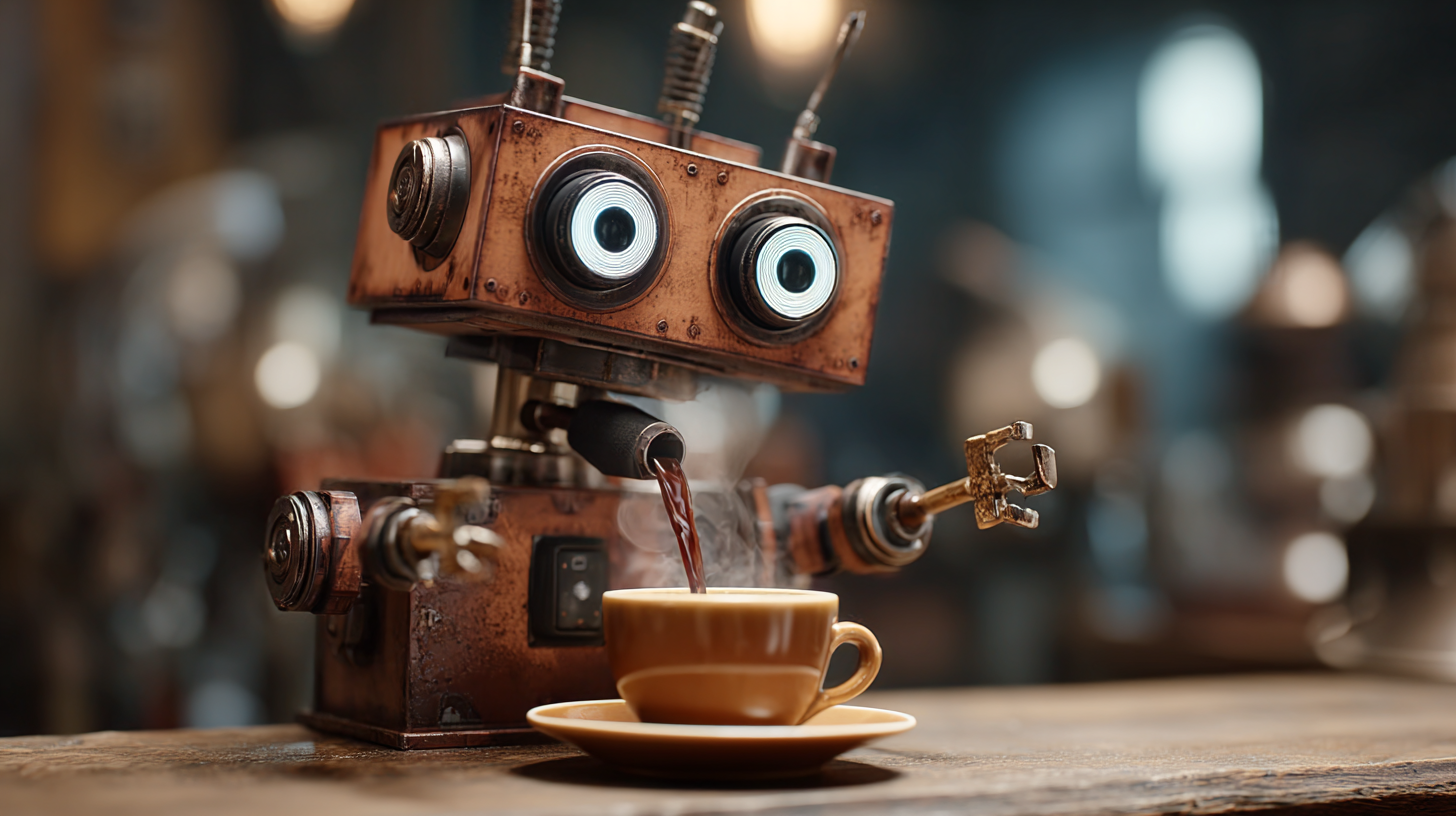
Comparative Analysis: Traditional Brewing Methods vs. Robotic Coffee Makers
The coffee-making landscape is rapidly evolving, with traditional brewing methods competing against the rise of robotic coffee makers. While classic techniques such as pour-over and French press have long been celebrated for their artisanal quality, new technologies promise consistency and convenience. A recent report from the National Coffee Association indicates that 44% of U.S. coffee drinkers now have access to single-serve or robotic coffee machines, highlighting a shift towards modern conveniences.
Robotic coffee makers have advanced significantly in terms of quality, offering customizable brewing options and precise temperature control. For instance, a study from the Specialty Coffee Association reveals that brewing temperature can affect flavor extraction, making these automated devices increasingly appealing to enthusiasts and casual drinkers alike. Traditional methods still hold sway in terms of taste richness and the brewing ritual, yet robotic solutions cater to busy lifestyles without compromising on flavor integrity.
Tip: To enjoy the best of both worlds, consider using a robotic coffee maker with customizable settings, allowing you to experiment with grind size and brew time. Also, investing in high-quality coffee beans can elevate the taste of your robotic brew, ensuring your cup is as rich as that from traditional methods.