What is a Digital Kiosk Printer and How Does It Work?
In today's fast-paced world, the demand for efficient printing solutions has grown significantly. A Digital kiosk printer stands out as a vital tool in various settings. These compact machines provide instant printing services in locations like shopping malls, airports, and hotels. Users can quickly print important documents or photos without needing assistance.
The operation of a digital kiosk printer is quite user-friendly. They are equipped with intuitive touchscreens that guide users through the printing process. Customers select their files, choose print options, and receive their printed materials within minutes. However, while the convenience is remarkable, not all kiosks deliver the same quality. This variance prompts reflection on the reliability of these machines.
Overall, the digital kiosk printer embodies innovation in the printing industry. As technology evolves, these printers will likely feature even more advanced capabilities. They bridge the gap between user needs and printing solutions, making them essential in modern society. However, users must remain mindful of potential limitations in functionality and quality.
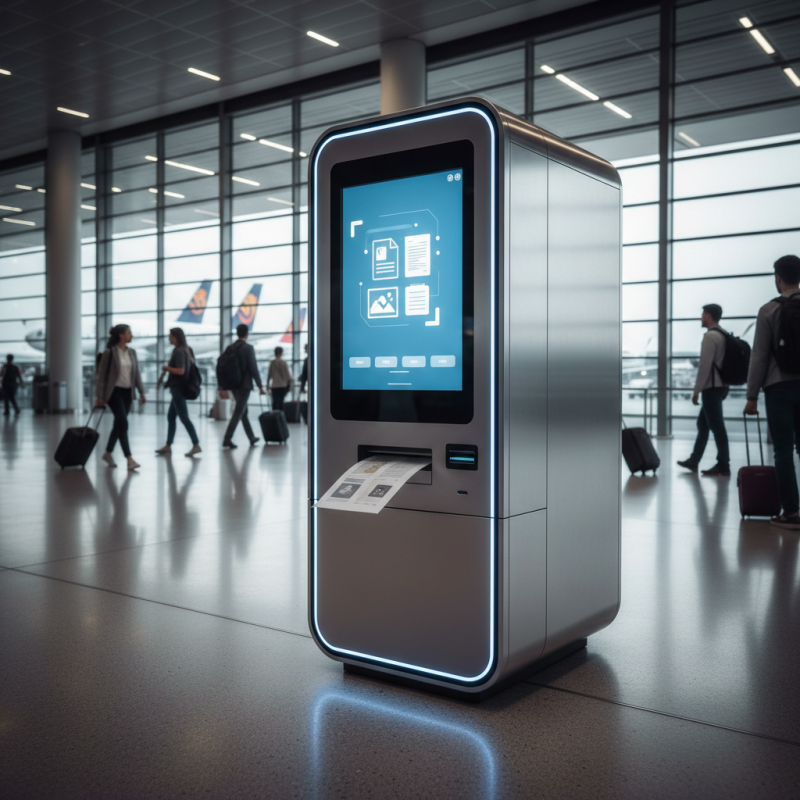
What is a Digital Kiosk Printer?
A digital kiosk printer is an automated solution for printing documents on demand. These devices are often found in public spaces like hotels and airports. They provide quick access to printing without the need for extra staff. Users can send their files directly to the kiosk and receive physical copies within minutes. It's a handy tool for travelers and business clients alike.
When using a digital kiosk printer, be aware of the file formats supported. Not all kiosks accept every type of document. Common formats include PDF, JPEG, and DOCX. Always check compatibility to avoid frustration. It’s essential to have your files ready beforehand. This can save time and make the printing process smoother.
Tip: Ensure your documents are well-formatted before sending them to the printer. Misaligned pages can lead to wasted paper. Keep an eye on printing fees too, as costs can add up quickly. Some kiosks may offer discounts for bulk printing, so it’s worth asking. Keep your expectations realistic; kiosk printers may not always produce the highest quality, especially when it comes to color prints.
Usage of Digital Kiosk Printers Over the Years
Key Features of Digital Kiosk Printers
Digital kiosk printers are increasingly becoming essential in various sectors. These versatile machines streamline the printing process, allowing users to print on demand. They are often designed for easy user interaction. A touchscreen interface simplifies operation. Users can customize their prints, from vibrant images to various formats.
One key feature of digital kiosk printers is their compact size. They can fit in tight spaces, making them ideal for retail environments. Additionally, many come with high-resolution printing capabilities. This ensures crisp, clear images that attract attention. Some models also have integrated payment systems. This feature allows users to pay for their prints directly at the kiosk, enhancing convenience.
However, not all digital kiosk printers are the same. Some may struggle with heavy usage or require constant maintenance. Quality can vary between models, leading to potential frustrations. Users should research options thoroughly. Understanding the specific needs of their business can lead to better choices. Balancing cost, functionality, and longevity is crucial.
How Digital Kiosk Printers Operate
Digital kiosk printers are changing the way we think about printing in public spaces. These machines allow users to print documents or photos on-demand, offering convenience and efficiency. Users interact with a touchscreen interface to select their print options. The experience is designed to be user-friendly, though some might find it confusing at first.
How do these printers operate? At their core, digital kiosk printers utilize advanced technology to produce high-quality prints. Once a user selects their desired file, the kiosk processes the information. It often connects to a network to retrieve files or directly access cloud storage. The machine then sends the data to a print engine, where the actual printing occurs. It's fascinating, yet the technology can sometimes malfunction or misinterpret user commands.
While these kiosks aim to streamline the process, issues can arise. Users may struggle with file formats or encounter connectivity problems. Additionally, the speed of printing can vary, leading to impatience during busy hours. It’s important for users to be aware that while these printers are convenient, they are not foolproof. Embracing this technology requires a bit of patience and adaptability.
Common Applications of Digital Kiosk Printers
Digital kiosk printers are becoming vital in various sectors. They serve customers quickly and efficiently. The travel industry is one common application. Airports use these printers for boarding passes and luggage tags. According to a recent study, 75% of travelers prefer self-service options. This trend highlights the need for streamlined services.
Retail stores also benefit from digital kiosk printers. They create personalized receipts and promotional materials on demand. Some studies show that adding kiosks can increase sales by up to 30%. This data points to a growing preference for instant access to printed information.
Tips: Choose a printer that supports various media sizes. This flexibility allows for different marketing needs. Regular maintenance is crucial for performance. A malfunctioning printer can lead to frustrated customers. Make sure to assess user feedback regularly for improvements.
What is a Digital Kiosk Printer and How Does It Work? - Common Applications of Digital Kiosk Printers
| Feature | Description | Common Applications | Advantages |
| Print Quality | High-resolution printing with vibrant colors | Photo booths, event ticketing | Professional-looking outputs |
| Speed | Quick print times, usually under a minute | Retail promotions, instant rewards | Increased customer satisfaction |
| User Interface | Touchscreen display for easy navigation | Self-service kiosks, interactive display systems | Enhanced user experience |
| Connectivity | Wi-Fi, Bluetooth, and USB connections available | Event check-ins, surveys | Flexible options for integration |
| Media Types | Supports various paper sizes and types | Brochures, vouchers, and more | Versatile printing options |
Advantages of Using Digital Kiosk Printers
Digital kiosk printers are transforming the way organizations print and distribute materials. These devices allow users to print documents, photos, and other items on demand. Their convenience can't be overstated. Customers can quickly obtain printed materials without the need for a staff member. This creates a more efficient experience.
One of the key advantages is accessibility. Digital kiosk printers are often easy to use, requiring minimal instructions. Users can typically navigate through touch screens or simple buttons. This promotes independence and saves time. However, there can be a learning curve for some individuals, which leads to frustration. Balancing ease of use and functionality remains a challenge for designers.
Cost-effectiveness is another advantage. Digital kiosks reduce labor costs, as they require less manual intervention. Organizations can also save on printing waste. But, occasional technical issues may arise. This could lead to downtime and disrupt the printing process. Regular maintenance is crucial to keep these kiosks operational. It’s essential to reflect on these limitations while enjoying the benefits.