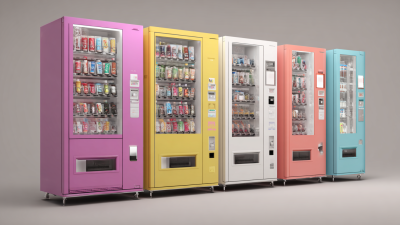
2026 Best Vending Machine Products for Global Buyers
In 2026, global vending buyers are looking beyond attractive displays and low purchase prices. They need reliable Vending Machine Products that match local habits, climate conditions, payment systems, and safety requirements. A machine placed in a busy Singapore office may need compact dimensions, cashless payments, and chilled beverages. A unit near a European railway station may require multilingual instructions, energy efficiency, and strong vandal-resistant construction. These details can determine whether a machine earns steadily or becomes an expensive obstacle.
This guide examines practical product categories for international sourcing, including snack machines, beverage coolers, fresh-food units, coffee systems, personal-care dispensers, and smart vending equipment. Each category should be judged by capacity, temperature control, maintenance access, software compatibility, and spare-parts availability. Certification matters. So does supplier transparency. Buyers should request test reports, warranty terms, factory images, sample orders, and clear shipping documentation before making large commitments. Local import rules and electrical standards must also be verified with qualified professionals.
Real experience often reveals inconvenient truths. A visually modern machine may have fragile screens or costly replacement parts. A cheaper model may consume more electricity every month. Small failures matter. Payment downtime, product spoilage, and slow technical support can quickly reduce profits. Even this framework has limits, because consumer preferences and regulations vary between markets. Therefore, buyers should test products in realistic locations, measure customer behavior, and revise their plans after collecting evidence. Reliable vending growth usually comes from careful selection, not from chasing every new feature.
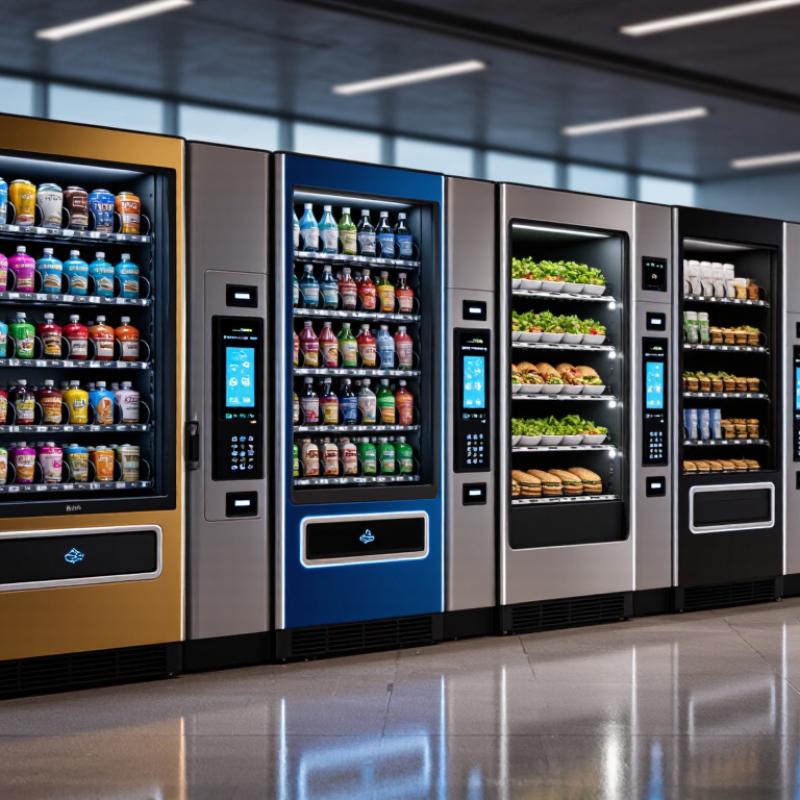
Vending Machine Product Categories for Global Buyers in 2026
2026 Best Vending Machine Products for Global Buyers
Vending Machine Product Categories for Global Buyers in 2026
In 2026, global buyers are comparing vending machine product categories, not only machine prices. The strongest categories include packaged snacks, bottled drinks, hot beverages, fresh meals, and daily essentials. Packaged snacks suit offices, schools, stations, and hospitals when nutrition labels are clear. Bottled water and low-sugar drinks usually offer steady demand, but temperature control matters. Hot beverage machines need reliable heating, cup dispensing, and simple cleaning access. Fresh meal machines can serve busy workplaces, yet shelf-life monitoring must be strict. That risk is real.
For international sourcing, buyers should match each category with local habits, climate, and regulations. A humid coastal market may require stronger packaging and corrosion-resistant cabinets. A cold region may need insulation, stable heating, and tested battery performance. Payment options should support local currency, contactless use, and clear receipts. Accessibility also matters: controls should be reachable, visible, and easy to understand. Product testing should cover dispensing accuracy, storage temperature, power recovery, and cleaning time. Ask for documented test records.
I would examine refill speed before accepting attractive sales forecasts. A machine that sells quickly but needs daily repairs can lose money quietly. Transparent spare-part lists, service instructions, and warranty terms improve buyer confidence. However, forecasts are never perfect. Seasonal demand, import delays, and payment failures can change results within weeks. Buyers should begin with a limited category mix and record waste, outages, and customer complaints. That evidence supports better expansion decisions than optimistic presentations.
Key Features That Define the Best Vending Machines
The best vending machines for global buyers are defined by uptime, payment flexibility, and simple maintenance. Grand View Research valued the global vending machine market at about USD 21.84 billion in 2023. It also projected a 10.7% compound annual growth rate from 2024 to 2030. These figures suggest strong demand, but market estimates vary by product definition.
Cashless payment is now essential. A dependable machine should support cards, mobile wallets, local currencies, and offline transaction recovery. Remote telemetry can report stock levels, temperature, payment errors, and door activity. Operators then reduce unnecessary site visits. Good machines also use modular parts, clear error codes, and front-access service panels. Small details matter.
Cooling performance deserves careful testing. A stable cabinet temperature protects beverages and perishable products in hot regions. The International Energy Agency reports that cooling demand is rising worldwide, making energy efficiency increasingly important. LED lighting, insulated doors, variable-speed compressors, and standby controls can lower operating costs. Accessibility matters too. Controls should be readable, reachable, and available in relevant languages. The machine must fit the location.
Fortune Business Insights has also reported steady double-digit growth in the vending machine market, although its valuation differs from other studies. Buyers should question unusually precise forecasts. They should request local service records, payment failure rates, and energy data before purchase. A bright screen cannot fix weak refrigeration. Nor can a low price repair poor spare-parts access.
2026 Best Vending Machine Products for Global Buyers
Key Features That Define the Best Vending Machines: typical product-selection capacity by machine category.
The figures represent practical planning benchmarks commonly used for commercial machine configurations. Actual capacity varies by product size, shelf layout, cooling system, and machine dimensions.
Product Selection by Market, Location, and Customer Demand
2026 Best Vending Machine Products for Global Buyers
Product selection should begin with the market, not the machine. A cold beverage unit may perform well near a tropical bus station, while hot drinks suit a winter office lobby. In schools, hospitals, and factories, customers often value affordable snacks, bottled water, and quick meal options. Demand changes by hour, too. Morning commuters may choose coffee, while evening shoppers prefer chilled drinks or packaged food.
Location determines more than product size. A narrow machine fits a metro corridor, but a large glass-front unit may work better in a supermarket entrance. Check power access, foot traffic, lighting, security, and cleaning space before placing an order. In my experience, poor placement can weaken sales even when the product mix is carefully planned. It is an easy mistake to underestimate visibility.
Customer data should guide restocking. Track sales by item, time, temperature, and weekday for at least four weeks. Then remove slow products and test small quantities of local favorites. No forecast is perfect. A product popular during summer may become dead stock in colder months. Buyers should also verify food labeling, electrical safety, payment rules, accessibility, and import requirements in each destination. Reliable suppliers should provide clear specifications, maintenance guidance, and documented quality checks without making unrealistic sales promises.
| Target Market | Recommended Location | Customer Need | Best-Selling Product Category | Representative Product Mix | Recommended Machine Type | Storage Requirement | Typical Retail Price Range* | Demand Level | Selection Rationale |
|---|---|---|---|---|---|---|---|---|---|
| Urban Offices High-density business districts |
Office lobbies, shared workspaces, business parks | Fast breakfast, lunch replacement, coffee and afternoon snacks | Fresh meals and premium beverages | Sandwiches, salads, yogurt, fruit cups, chilled coffee, bottled water | Refrigerated spiral or locker-style machine with cashless payment | 2–8°C for chilled foods | USD 3–12 per item | High | Office users value convenience, predictable quality and short purchase times during scheduled breaks. |
| Universities Students and campus staff |
Libraries, residence halls, lecture buildings and sports centers | Affordable snacks, hydration and quick energy between classes | Snacks, drinks and healthier alternatives | Water, juice, milk drinks, nuts, granola bars, fruit, crackers and sandwiches | Combination machine with refrigerated and ambient compartments | 2–8°C chilled; ambient for dry goods | USD 1–8 per item | High | Long operating hours and high pedestrian traffic support a broad mix of low- and mid-priced products. |
| Hospitals Patients, visitors and staff |
Visitor entrances, waiting areas, staff rooms and outpatient buildings | Hydration, light meals and convenient personal-care items | Healthy food, drinks and essential supplies | Water, low-sugar drinks, soup, yogurt, fruit, sandwiches, masks and basic hygiene products | Refrigerated combination machine plus a separate non-food unit where required | 2–8°C for perishable foods | USD 1–15 per item | High | Hospitals operate continuously and require practical products for visitors and workers at all hours. |
| Transport Hubs Airports, rail stations and bus terminals |
Departure halls, platforms, concourses and transfer zones | Portable food, beverages and travel essentials | Grab-and-go food and travel accessories | Water, coffee, packaged meals, snacks, tissues, phone cables, travel adapters and earplugs | High-capacity combination machine with contactless payment and remote monitoring | 2–8°C for chilled items; ambient for accessories | USD 2–25 per item | High | Travelers often make urgent purchases and accept a wider price range for portable or necessary products. |
| Fitness Centers Gyms and sports facilities |
Reception areas, locker rooms and training floors | Hydration, protein intake and post-exercise recovery | Functional beverages and sports nutrition | Water, electrolyte drinks, protein shakes, protein bars, nuts and low-sugar snacks | Refrigerated machine with bottle-friendly product channels | 2–8°C for beverages and shakes | USD 2–10 per item | High | Products aligned with exercise and recovery can command repeat purchases from regular members. |
| Residential Buildings Apartment communities and dormitories |
Building entrances, parking areas and common rooms | Convenient household top-ups and late-night essentials | Daily necessities and household convenience items | Milk, eggs, bread, bottled water, snacks, detergent pods, batteries and personal-care products | Combination machine with refrigerated, ambient and small-item compartments | 2–8°C for perishables; ambient for packaged goods | USD 1–18 per item | Medium to High | Residents benefit from nearby access when supermarkets are closed or inconvenient to reach. |
| Hotels Business and leisure accommodation |
Lobby areas, guest floors and conference facilities | Late-night refreshments and forgotten travel essentials | Premium snacks, drinks and personal-care products | Water, soft drinks, coffee, confectionery, ready meals, toothpaste, razors and chargers | Glass-front refrigerated combination machine with multilingual interface | 2–8°C for chilled products; ambient for accessories | USD 2–25 per item | Medium to High | Guests value 24-hour availability, especially for small essentials outside normal retail hours. |
| Industrial Sites Factories, warehouses and logistics centers |
Employee entrances, canteens and shift-change areas | Affordable energy, hydration and break-time food | Value snacks, beverages and prepared meals | Water, coffee, energy drinks, sandwiches, noodles, biscuits, fruit and meal boxes | Heavy-duty combination machine with large capacity and remote stock alerts | 2–8°C for chilled foods; ambient for dry products | USD 1–10 per item | High | Multiple shifts and limited nearby food options create steady demand throughout the working day. |
| Schools Primary and secondary education facilities |
Staff areas, sports facilities and controlled-access common areas | Age-appropriate hydration and simple snacks | Water, fruit and lower-sugar snacks | Water, milk, fruit, whole-grain snacks, nuts where permitted and simple sandwiches | Refrigerated machine with age-appropriate product controls | 2–8°C for chilled foods | USD 1–6 per item | Medium | Product selection should follow local school nutrition rules, allergy policies and parental expectations. |
| Tourist Areas Museums, parks and attractions |
Entrances, exits, visitor centers and outdoor pedestrian routes | Hydration, portable snacks and basic visitor needs | Beverages, local-style snacks and visitor essentials | Water, juice, packaged snacks, sunscreen, tissues, rain ponchos and small souvenirs | Outdoor-rated machine with weather protection and cashless payment | Ambient or 2–8°C depending on product mix | USD 2–20 per item | Medium to High | Demand is strongly influenced by season, weather, visitor volume and the length of the customer journey. |
| Public Offices Government buildings and service centers |
Waiting rooms, staff areas and public-service halls | Basic refreshments during appointments or work breaks | Water, coffee and packaged snacks | Water, tea, coffee, juice, biscuits, nuts and packaged sandwiches where permitted | Compact combination machine with accessible controls and cashless payment | 2–8°C for chilled foods; ambient for dry goods | USD 1–8 per item | Medium | Compact formats fit facilities with moderate traffic and limited floor space. |
| Residential Streets Convenience retail gaps |
Parking areas, fuel stations and neighborhood commercial zones | Fast access to everyday items outside regular retail hours | Beverages, snacks and emergency necessities | Water, soft drinks, snacks, bread, milk, batteries, umbrellas and personal-care items | Secure outdoor combination machine with vandal-resistant housing | 2–8°C for perishables; ambient for durable items | USD 1–15 per item | Medium | Convenience is highest where walking distance to a full-size store is long or late-night access is limited. |
*Price ranges are indicative consumer retail ranges in U.S. dollars and vary by country, taxes, import costs, product size, operating hours and local purchasing power. Food safety, age restrictions, accessibility requirements, electrical standards and local vending regulations should be verified before deployment.
Global Standards, Payment Systems, and Regulatory Requirements
2026 Best Vending Machine Products for Global Buyers
Global buyers should treat compliance as a product feature, not paperwork added later. Electrical safety, electromagnetic compatibility, food-contact materials, and temperature control require country-specific verification. Commercial dispensing equipment may need testing against IEC 60335-2-75, EN requirements, or equivalent national standards. Certification alone is not enough. Importers must also check labeling, warranty duties, recycling rules, accessibility, and local tax registration.
Payment design needs equal attention. The Worldpay Global Payments Report 2024 found that digital wallets represented about 50% of global e-commerce transaction value in 2023. It projects this share could reach 61% by 2027. Machines should support contactless cards, mobile wallets, offline recovery, refunds, and clear receipts. PCI DSS controls remain important when payment data is handled, while tokenization can reduce exposure. Keep the cash option where local users still depend on it.
Data protection is easy to overlook. A machine collecting phone numbers, cameras, or loyalty data may trigger privacy obligations, including consent, retention limits, and breach procedures. Field audits often find blocked card readers, unclear allergen labels, or software that cannot update securely. These are practical failures, not theoretical ones. I would test a machine at low temperatures, weak connectivity, and heavy daily use before approving a global shipment. Some requirements remain unclear across markets, so local legal review is still necessary.
Cost, Supply, Installation, and After-Sales Service Considerations
2026 Best Vending Machine Products for Global Buyers
For global buyers, the best vending machine is not always the cheapest model. Cost includes the machine, shipping, import duties, payment systems, spare parts, and local electrical changes. My first cost sheet was too optimistic. I underestimated port storage and voltage conversion fees. Request a complete landed-cost estimate before signing. Confirm production capacity, inspection procedures, packaging strength, and delivery dates. A reliable supplier should provide clear specifications, test videos, and recent export references.
Installation needs practical planning. Measure the doorway, floor space, ventilation, and power outlet before delivery. A machine beside a sunny window may overheat and waste energy. Ask whether remote setup guidance, technician training, or local installation support is available. After-sales service matters even more after the warranty ends. Check response times, spare-part prices, troubleshooting instructions, and software support. Some suppliers promise fast help, but their service network may be thin. That weakness should be discussed openly.
Tips: Compare the total three-year cost, not only the purchase price. Keep common parts locally, such as locks, sensors, belts, and cooling fans. Use a written service agreement with clear response targets. Test one unit in the target location before ordering many machines. Record temperature, sales volume, payment failures, and maintenance hours. Your assumptions may be wrong. Revise the plan using real operating data.
Related Posts
-
Exploring Innovative Alternatives to the Best Vending Machine for Your Business Needs
-
China's Premium Manufacturing: Your Source for the Best Buy Vending Machines Worldwide
-
7 Unique Reasons to Choose the Best It Vending Machine for Your Business
-
How to Choose the Best Vending Machine Products?
-
What Is the Best Vending Machine for Business?
-
What is a Free Vending Machine and How Can You Get One?