How to Choose the Best Vending Solutions in 2026?
Choosing the right Vending Solutions in 2026 means matching technology to real buying habits, not chasing every new feature. A refrigerated market beside a busy office lobby has different needs from a snack machine in a workshop. Track foot traffic, peak hours, product preferences, and service access before comparing providers. Small details matter. A card reader that works reliably can be more valuable than a flashy screen.
NAMA spokesperson Jeff Lenard has publicly discussed vending’s role in convenient access to food and beverages. A concise, consumer-focused principle for this guide is: “Convenience matters only when the purchase is easy and dependable.” This is an editorial summary, not a verbatim quotation. It points to practical questions: Does the payment system support common choices? Can operators see stock levels remotely? Are product labels clear? Can the machine stay clean and stocked during the busiest shift?
The strongest Vending Solutions balance customer experience with dependable operations. Compare total costs, equipment support, reporting tools, energy use, and restocking plans. Ask suppliers how they handle outages and slow-moving products. Request references from sites with similar traffic. Then test the proposed setup in a real location, if possible. A neat demo is not proof. Some assumptions may still be wrong; sales patterns change with seasons, staffing, and nearby options. Choose a provider willing to review results and adjust the plan. In 2026, flexibility is part of value. A machine should fit the place, the people, and the daily routine.
Define Your Needs, Locations, and Target Customers
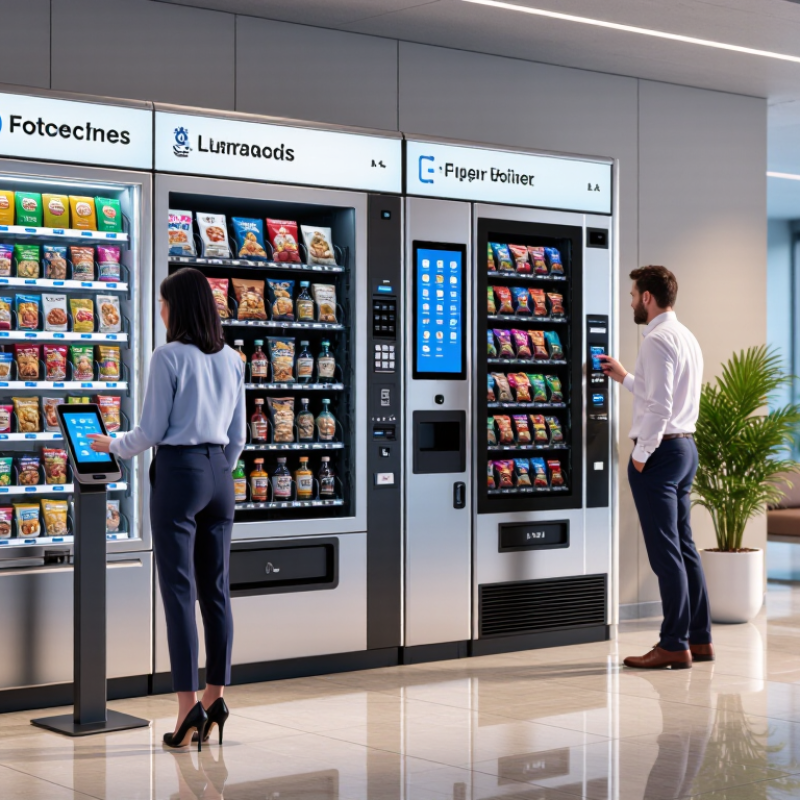
Choosing vending solutions in 2026 starts with defining what the machine must do. Decide which products you will sell, how often they need restocking, and what payment options customers expect. A chilled drink machine has different power and maintenance needs from a shelf-stable snack unit. Estimate daily sales, but treat early figures as assumptions, not facts. Small details matter.
Walk each possible location at different times of day. Count foot traffic, note where people pause, and check access to power, connectivity, and restocking routes. A busy hallway may look ideal, yet customers could be rushing past without time to buy. Ask the site manager about opening hours, delivery access, and placement restrictions. Take photos and measurements; memory can be unreliable.
Know who will use the machine and what they are likely to want. Office workers may value quick breakfasts and clear prices, while visitors in a waiting area may prefer water and simple snacks. Ask a few potential customers rather than relying only on guesses. Keep choices suited to the setting, and make prices easy to see. Test, then adjust. A small trial can reveal slow-selling items, awkward placement, or confusing payment steps before you commit to a larger setup.
Compare Vending Machine Types and Product Options
Choosing a vending solution starts with the setting, not the machine. A chilled unit suits offices where fresh meals and drinks matter. A compact snack machine may work better near a busy workshop entrance. For mixed demand, a combination machine saves floor space, though its smaller compartments can limit variety. Check delivery access, power supply, and refill frequency before comparing prices.
Product choices shape sales and waste. NAMA’s 2024 State of the Industry report estimated U.S. convenience-services sales at $26.6 billion in 2023, reflecting a broad market beyond traditional snacks. Allied Market Research estimated the global vending-machine market at $18.28 billion in 2020 and projected $25.25 billion by 2030. These figures describe market scale, not guaranteed results for any location. That distinction matters.
Match stock to actual routines. A hospital break room may need water, fruit, and filling meals overnight; a small office may sell mostly coffee and shelf-stable snacks. Track sales by item for several weeks, then adjust quantities. Include clear ingredient and allergen information, and check that chilled products stay at safe temperatures. Not every popular item earns its shelf space. I would still test a few options before committing to a large order.
Evaluate Technology, Payment Systems, and Accessibility
Choosing vending solutions in 2026 means testing the whole user journey, not just the screen. A display should remain readable under glare and respond to simple taps. Telemetry can flag empty spirals or refrigeration faults, but only when someone reviews the alerts. More dashboards do not automatically mean better service.
Payment flexibility matters at the point of use. Cantaloupe’s 2024 Micropayment Trends Report recorded a 28% year-over-year increase in cashless transactions across unattended retail in 2023. Offer contactless cards and mobile wallets, show prices before payment, and provide a clear fallback. Keep the flow quick. Cashless-only setups can exclude some users or fail during outages, so test offline behavior and refund handling.
Accessibility is operational quality. The World Health Organization’s 2022 Global Report on Health Equity for Persons with Disabilities estimates that 1.3 billion people, or 16% of the global population, experience significant disability. Place controls within comfortable reach, use strong contrast, and pair color cues with text. Check approach space for mobility devices and test selections without tiny icons. Small details matter. A machine can meet a checklist yet still feel awkward in a busy corridor; observe users and revise the layout.
Assess Suppliers, Pricing, Service, and Compliance
Choosing a vending solution in 2026 starts with the site, not the sales brochure. Map foot traffic, peak hours, power access, and the space available for delivery and restocking. Ask suppliers for references from comparable locations and a demonstration of the machine’s everyday workflow. Small details matter. Check how clearly prices appear, how accessible the controls are, and what happens when a payment fails. Forecasts still miss things; a short pilot can reveal demand patterns that a spreadsheet cannot.
Compare the full cost, not just the purchase price. Request an itemized quote covering installation, connectivity, transaction fees, repairs, and routine restocking. Clarify which costs change with sales volume and which remain fixed. A lower initial quote may leave important service tasks out. Ask who responds to a fault, how quickly, and whether replacement parts are readily available. Get service commitments in writing, including response windows and escalation steps.
Compliance needs practical attention, too. Ask for documentation on electrical safety, accessibility, data handling, and any local permits or operating requirements that apply to the site. Confirm who maintains those records and how updates are communicated. Review privacy settings before collecting customer information, even if the machine only needs basic payment data. A supplier’s confident answer is useful, but written evidence is better. Keep the documents with the site’s maintenance records so staff can find them when needed.
Test Performance and Select the Best-Fit Solution
Choosing a vending solution should begin with a real-world trial, not a polished sales sheet. Place a unit where it will actually operate, such as a busy staff corridor or a small clinic lobby. Track transactions, failed payments, restocking time, temperature stability, and service calls for several weeks. Watch the queue at lunch. Small delays matter. Ask users what they could not find, then compare their comments with sales data. One strong week is not enough; demand changes with shifts, weather, and nearby events.
Set success measures before testing: acceptable downtime, replenishment hours, product waste, and average purchase time. Check whether the machine supports the products, payment methods, accessibility needs, and reporting your site requires. Then calculate total operating cost, including delivery, electricity, maintenance, and unsold stock. Do not judge only by revenue. A lower-cost unit may need frequent visits; a feature-rich model may be harder to manage. Compare results across different operating conditions, and ask the provider to document response times and warranty terms. Keep the test modest. Some readings will be messy, especially when staff forget to record a stockout or service visit. Note that gap instead of pretending the data is perfect. Choose the option that meets the site’s needs consistently, with a workload your team can sustain.
| Vending solution | Best-fit locations | Product range | Operational strengths | Key pilot tests | Suggested acceptance targets | Main trade-off |
|---|---|---|---|---|---|---|
| Snack and beverage machine | Offices, schools where permitted, factories, and public waiting areas | Packaged snacks, bottled or canned drinks, and other shelf-stable items | Familiar self-service; packaged products are generally straightforward to store and rotate | Payment completion, product dispensing, stock visibility, and refill time | At least 97% successful transactions; at least 98% operating availability during scheduled hours | Limited product size and selection compared with open-shelf formats |
| Refrigerated fresh-food machine | Hospitals, campuses, offices, and sites with demand for meals outside cafeteria hours | Chilled meals, salads, sandwiches, dairy items, and other appropriately packaged foods | Supports convenient access to fresh meals; temperature monitoring may be available | Temperature records, expiry rotation, spoilage, sales by time of day, and replenishment timing | 100% compliance with applicable food-temperature requirements; at least 95% of planned refills completed on time | Requires tighter cold-chain, expiry, and replenishment controls |
| Smart cooler or unattended retail fridge | Staff break rooms, residential buildings, and controlled-access workplaces | Chilled drinks, packaged meals, snacks, and selected convenience items | Open-shelf access can make browsing easier; access and checkout may be managed electronically | Checkout accuracy, transaction disputes, access control, temperature, and inventory reconciliation | At least 97% successful transactions; unresolved inventory discrepancies below 2% of audited units | Needs reliable connectivity and a clear process for payment or inventory disputes |
| Micro-market | Larger workplaces, campuses, and residential communities with suitable space | A broader mix of packaged snacks, drinks, fresh food, and everyday essentials | More choice and shelf visibility than a single machine; can support several product categories | Sales by category, checkout reliability, shrink, cleaning, and restocking workload | At least 97% successful transactions; track shrink and labor cost against the site's approved budget | Needs more floor space and stronger inventory and loss-prevention processes |
| Coffee vending machine | Office lobbies, transport facilities, hospitals, and staff areas | Hot coffee and, depending on configuration, tea, cocoa, or other hot drinks | Serves made-to-order drinks where a staffed counter is unavailable or impractical | Drink preparation time, recipe consistency, cleaning, ingredient consumption, and payment success | At least 97% successful transactions; meet site-defined drink preparation and cleaning schedules | Needs regular cleaning and monitoring of water, ingredients, and consumables |
Related Posts
-
Top 10 Vending Solutions for Global Buyers
-
Why You Should Buy a Vending Machine for Your Business Success
-
Top Strategies for Succeeding with Your Vending Machine Business
-
What Are the Top Vending Machine Solutions in China?
-
The Future of Vending Machines How Technology is Revolutionizing Self Service Retail
-
Top Smart Vending Machine Manufacturers in China