China Top Snack Machine Suppliers for Your Business?

Choosing China’s top snack machine suppliers is less about finding the biggest catalog and more about matching equipment to your location, customers, and service plan. A compact machine beside an office elevator has different needs from a high-capacity unit in a busy transport hub. Compare product range, storage capacity, refrigeration options, payment compatibility, and the time required to restock. Details matter.

A reliable supplier should explain how its machines are tested, what spare parts are available, and how technical support works after delivery. Ask for clear specifications, operating manuals, warranty terms, and references from buyers in similar markets. If possible, review a sample unit or arrange a live demonstration. A polished brochure alone is not enough. Check whether the proposed machine meets the requirements of your destination market, and confirm shipping, installation, and maintenance responsibilities before placing an order.

The right partnership can help a Snack Machine Business manage downtime, control operating costs, and offer products customers actually want. Still, no supplier can guarantee strong sales. Foot traffic, product selection, pricing, and local service all matter. A small detail can become a real problem. Payment software may need configuration; a replacement part may take longer to arrive than expected. Compare several suppliers using the same checklist, and ask direct questions when answers seem vague. Careful research takes time, but it can prevent expensive surprises and help you choose equipment that fits your business rather than simply looking impressive.
China Top Snack Machine Suppliers for Your Business?

What Snack Machines Are and How They Support Businesses

A snack machine is a self-service unit that stores packaged food and drinks, then releases a selected item after payment. Depending on its design, it may use shelves, spirals, or chilled compartments. Payment options can include coins, cards, or contactless methods. Simple to use. For a customer, the process takes seconds: choose a snack, pay, and collect it.

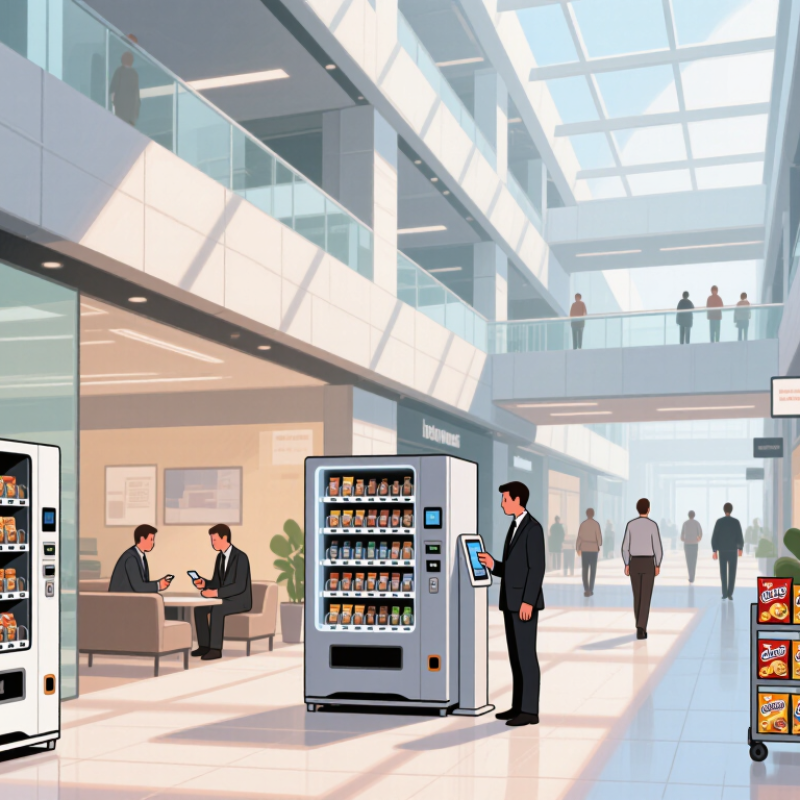
For a business, these machines can provide refreshments where a staffed counter is impractical, such as an office break room, workshop, or hotel lobby. They may also extend service beyond normal opening hours. The benefits depend on placement. A machine beside a busy entrance may sell more than one hidden behind a meeting room. Operators should consider foot traffic, product preferences, available power, and space for restocking. Keep it practical.

Reliable operation takes regular checks. Staff need to refill popular items, remove expired stock, and respond when a payment system or dispensing mechanism fails. Sales data can help guide product choices, but it does not explain every customer preference. A machine can look efficient on paper and still disappoint if it is poorly located or often empty. That is worth reviewing. A small trial period can reveal what works before a business commits to a larger setup.

How China’s Snack Machine Supplier Market Is Structured

China’s snack machine supplier market is a network of manufacturers, component makers, and export-focused service companies. These groups often overlap, but their strengths differ. Some factories build standard machines in volume, while others customize cabinet sizes, payment interfaces, or cooling systems for specific projects.

Not every supplier makes every part. A machine producer may source refrigeration units, touchscreens, or payment modules from specialist partners. Integrators coordinate these components and may also provide software, installation guidance, and remote monitoring. Trading companies can offer a wider product range, though buyers should confirm who handles engineering changes and after-sales support. That matters.

Supplier clusters often form around manufacturing regions, where nearby component businesses can shorten sourcing times. Still, a low quoted price does not reveal the full operating cost. Ask for clear specifications, spare-parts lists, warranty terms, and test results under realistic use. A machine stocked with chilled drinks faces different demands from one selling packaged snacks. A polished catalog can hide practical gaps, and no checklist catches everything. Reviewing a sample machine or arranging a detailed factory inspection can expose issues before a larger order.

Which Types of Snack Machines Suppliers Offer

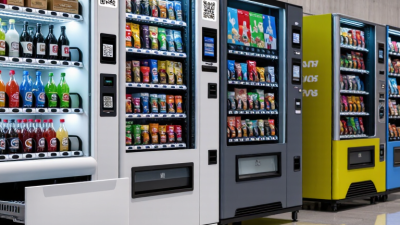
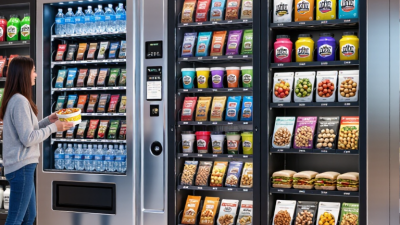
China’s snack machine suppliers offer several formats, and the right choice depends on the products, location, and daily sales volume. Spiral vending machines suit packaged snacks such as chips, cookies, and candy bars. Their coils are easy to inspect, and clear product trays help customers choose quickly. For fragile items, suppliers may offer elevator-style machines that lower products gently into the collection bin. Useful for pastries or stacked snack boxes.

Refrigerated snack machines keep sandwiches, yogurt, and other chilled items at a controlled temperature. Ask suppliers about insulation, temperature monitoring, and service access before ordering. These details matter in busy offices, schools, and transit areas. Combination machines pair snacks with bottled drinks, saving floor space where a separate beverage unit may not fit. Compact countertop models can work in small shops, though their capacity is limited.

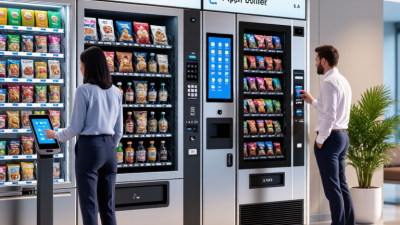
Some suppliers also provide smart fridges or open-shelf micro-market systems. Customers select items, pay through a reader, and leave; the operator checks inventory and restocks regularly. This setup offers more product variety, but it depends on reliable payment tools and clear stock tracking. Ask what payment methods, remote monitoring, and spare parts are included. A low purchase price can be tempting. Still, the machine’s fit, upkeep, and product capacity often matter more over time.

Which Types of Snack Machines Do Suppliers Offer?

Common machine types serve different product needs, from packaged snacks to chilled and frozen foods.

Bars show the number of example products listed for each machine type. These examples illustrate product variety; they are not sales, capacity, or market-share data.

How to Evaluate Suppliers for Your Business Needs

A snack machine supplier should fit your location, product mix, and service capacity. Start by listing what the machine must handle: packaged snacks, chilled items, cashless payment, or frequent restocking. A busy office hallway needs different capacity from a small hotel lobby. Ask for the machine’s dimensions, energy use, storage layout, and clear operating instructions. Details matter.

Evaluate support as carefully as equipment. Ask how quickly the supplier responds to faults and whether common parts are kept in stock. Request written warranty terms, installation requirements, and a sample maintenance schedule. If possible, speak with a customer operating a similar machine. Check how the supplier handles missed delivery dates or damaged equipment, too. A polished brochure is not proof of dependable service. Still, no checklist catches everything; I would leave room for a trial period when possible.

Tips: Compare at least three written quotes, using the same specifications. Ask who pays for shipping, setup, and repairs. Test the payment system and restocking access before committing. Note any unclear answer and ask again in writing. Small gaps can become daily annoyances.

China Top Snack Machine Suppliers for Your Business? - How to Evaluate Suppliers for Your Business Needs

Use this practical scorecard to compare snack machine suppliers against your product, market, and operating requirements. The suggested weights are evaluation guidelines, not supplier-specific ratings.
Evaluation Dimension Suggested Weight What to Check Evidence to Request Supplier A
Score (0–5)
Supplier B
Score (0–5)
Supplier C
Score (0–5)
Product and location fit 20% Confirm machine dimensions, product capacity, dispensing method, installation space, power requirements, and compatibility with the snacks you plan to sell. Model specifications, dimensional drawings, product-sample test results, and a written list of supported configurations. Enter score Enter score Enter score
Market compliance 15% Check the regulations and documentation applicable in the destination market and for the exact machine configuration. Requirements can differ by country and product. Applicable declarations, test reports, certificates, and a model-specific explanation of which requirements each document covers. Verify documents with the issuing body where appropriate. Enter score Enter score Enter score
Construction and product safety 15% Review enclosure materials, electrical protection, access for cleaning, ventilation, and any temperature-control features needed for the intended products. Material specifications, electrical and safety documentation, maintenance instructions, and details of any food-contact components relevant to the machine design. Enter score Enter score Enter score
Reliability and quality control 15% Assess how the supplier tests machines, controls production quality, handles defects, and verifies operation of payment, dispensing, and monitoring functions. Quality-control process, inspection checklist, test procedure, sample test records, and details of any quality-management certification claimed. Enter score Enter score Enter score
Warranty and after-sales support 10% Compare warranty duration and coverage, exclusions, response process, technical support hours, replacement-part availability, and responsibility for shipping costs. Written warranty terms, service contact details, troubleshooting guidance, spare-parts list, and stated support response times. Enter score Enter score Enter score
Total cost of ownership 10% Compare the machine price with installation, payment-system fees, shipping, duties, spare parts, software or connectivity charges, and routine maintenance. Itemized quotation, payment terms, list of recurring charges, spare-parts pricing, and a written statement of what is included or excluded. Enter score Enter score Enter score
Customization and integration 5% Check whether the supplier can support required cabinet options, languages, payment methods, telemetry, or integration with your operating systems. Written configuration options, supported payment and communication interfaces, customization costs, and confirmation of any software dependencies. Enter score Enter score Enter score
Production and delivery planning 5% Confirm the production schedule, order quantity requirements, packaging method, shipping terms, and the party responsible for export and import arrangements. Written lead-time estimate, minimum order quantity, packing details, shipping quotation, and clearly stated delivery terms. Enter score Enter score Enter score
References and communication 5% Evaluate the clarity and consistency of technical answers, willingness to arrange a product demonstration, and availability of relevant customer references. Reference contacts where available, demonstration or inspection options, written answers to technical questions, and a named contact for project follow-up. Enter score Enter score Enter score
Total suggested weight 100% Weighted score = sum of (criterion weight × supplier score ÷ 5). The maximum weighted score is 100 points. Total Total Total

Scoring guide: 0 = information unavailable or requirement not met; 1 = major gaps; 2 = partially meets requirements; 3 = meets the stated requirement; 4 = meets it with strong supporting evidence; 5 = fully meets it with independently verifiable evidence. Confirm all specifications, compliance documents, costs, and delivery commitments in writing before placing an order.

What to Check Before Ordering from a Chinese Supplier

Before ordering a snack machine, check whether its actual configuration matches your site. Grand View Research valued the global vending machine market at USD 21.7 billion in 2023 and forecast 10.7% annual growth through 2030. A growing market does not guarantee a reliable supplier. Ask for a current specification sheet, clear photos of the control panel, and a video showing the machine dispensing products. Confirm voltage, plug type, cooling performance, payment options, and product dimensions in writing.

Request certificates relevant to your destination market, then verify them with the issuing body. Ask which parts are stocked, how long replacements take, and whether manuals include wiring diagrams. Compare warranty terms carefully: “one-year warranty” may cover parts but exclude labor or shipping. Test the machine with your own package sizes if possible. Small details matter.

Shipping deserves equal scrutiny. The World Bank’s 2023 Logistics Performance Index assessed 139 economies across areas including customs, infrastructure, and delivery timeliness. Ask the supplier for a packed weight, crate dimensions, estimated dispatch date, and a written list of export documents. Agree on who handles inspection and damage claims before payment. Paperwork can look tidy; that is not proof. Even a careful checklist misses something, so keep a small allowance for delays and unexpected local setup costs.

Shopping Cart
Scroll to Top