China Top 10 IT Vending Machine Manufacturers
China has become an important sourcing base for automated retail equipment, including machines designed to dispense technology products. This guide to China’s top 10 IT vending machine manufacturers helps buyers compare suppliers before requesting quotations. An IT Vending Machine may sell chargers, cables, headphones, keyboards, or other compact electronics. These products need secure compartments, clear product displays, and dependable payment systems. Small details matter.
Companies on a supplier shortlist should be assessed beyond polished product photos. Buyers can review manufacturing experience, customization options, software capabilities, quality-control procedures, and after-sales support. Ask for specifications on screen size, cabinet materials, inventory monitoring, payment integration, and remote diagnostics. A sample unit or live demonstration can reveal issues a brochure may not show. Check how the supplier handles spare parts and software updates, too.
There is no single ranking that fits every project. Requirements differ by location, product mix, budget, and service expectations. Public information may also be incomplete, so company claims deserve careful verification. This overview is a practical starting point, not a guarantee of performance. Some comparisons remain imperfect. A well-matched manufacturer should explain its capabilities clearly, provide relevant project references when available, and answer technical questions with specific evidence. That is a better signal than a low price alone.
What IT Vending Machines Are and How They Work
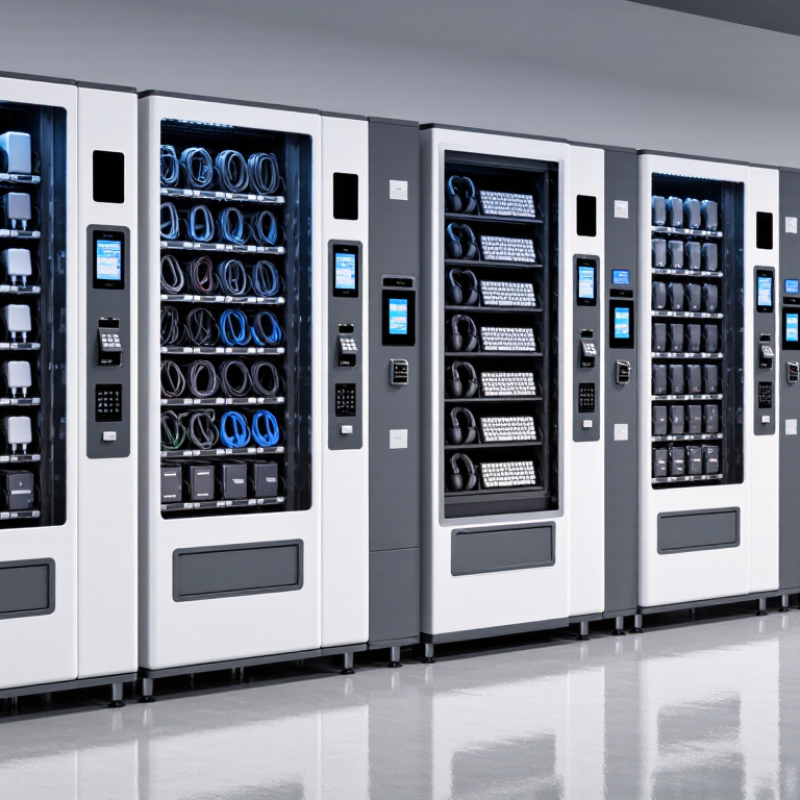
IT vending machines are automated cabinets that dispense workplace technology and track each item. They may hold chargers, keyboards, headsets, adapters, or loaner laptops. A touchscreen shows available equipment, while a badge, PIN, or approved account confirms who is making a request. Quick and practical.
Inside, shelves, lockers, or rotating compartments secure the stock. After approval, the machine unlocks a door or releases the selected item. Sensors record the transaction and update inventory software, so staff can see what was taken and when. Some systems also flag low stock or overdue returns. The process is simple, but the setup behind it needs care.
For example, an employee might scan a badge, choose a headset, and collect it from a lit compartment. The software can connect that issue to a department or project, helping teams review usage and plan replacements. Remote dashboards may show stock across several offices, though data is only useful when records stay accurate. Small mistakes happen. A returned adapter may go unregistered, or a popular cable may run out before the next refill. Clear return instructions, routine checks, and sensible access rules make these machines more dependable. They save time on routine requests, but they do not remove the need for thoughtful inventory management.
Overview of China’s IT Vending Machine Industry
China’s IT vending machine industry is developing around convenient access to electronics and digital services. Machines may dispense phone chargers, cables, mice, keyboards, and other compact accessories in office buildings, campuses, transport hubs, and residential complexes. A clear touchscreen and simple product labels matter: customers often make decisions while standing in a busy corridor.
Behind the glass, operators depend on inventory sensors, remote monitoring, and reliable payment systems. These tools can flag low stock or technical faults, but they do not eliminate routine checks. Staff still need to refill popular items, inspect dispensing mechanisms, and confirm that products match their descriptions. Small details count. A cable in the wrong slot can frustrate a customer and create avoidable returns.
For manufacturers, the challenge is balancing a compact footprint with easy maintenance and secure storage. Durable dispensing parts and accessible service panels can matter more than a polished interface alone. Yet the industry is not mature everywhere; product selection and support quality can vary by location. That gap deserves attention. A machine may look advanced, but if replenishment is inconsistent, convenience quickly fades. Reliable operation depends on practical design, clear product information, and steady after-sales service.
Criteria for Evaluating IT Vending Machine Manufacturers
China Top 10 IT Vending Machine Manufacturers
Criteria for Evaluating IT Vending Machine Manufacturers
A capable IT vending machine manufacturer should demonstrate more than a polished cabinet. Check whether its machines can securely dispense laptops, monitors, cables, and other equipment in the sizes your team actually uses. Ask how the system verifies user access, records each transaction, and updates inventory. Clear logs help staff trace missing items without relying on memory. The interface should be easy to use during a busy shift, not just during a sales demonstration. Details matter.
Assess the hardware and the support behind it. Inspect door alignment, locking components, screen responsiveness, and the fit of adjustable compartments. Ask for documented testing, warranty terms, spare-part availability, and software update procedures. Integration with your existing inventory or identity systems may reduce manual work, but confirm compatibility with your own setup. Request examples of deployments with similar usage patterns. A specification sheet alone cannot show how reliably a machine performs after months of daily use. No scorecard is perfect; weigh service quality alongside price.
Tips: Arrange a live demonstration using your own equipment dimensions. Ask the supplier to show a failed transaction, stock correction, and access-log review. Record response times and maintenance responsibilities in writing before comparing proposals.
Profiles of 10 Leading IT Vending Machine Manufacturers in China
Profiles of ten leading IT vending machine manufacturers in China can help buyers understand how these systems differ in practice. Their product ranges may cover secure cabinets for laptops, tablets, cables, chargers, and other workplace equipment. Some manufacturers focus on compact units for offices, while others build larger machines for campuses, factories, or service centers. The right fit depends on the items being dispensed and the people who need access.
A useful profile should explain more than appearance. Look for details about compartment sizes, locking methods, touchscreen menus, stock alerts, and software integration. Ask whether the machine records each checkout and return, and how administrators correct inventory errors. Clear answers matter. A polished screen does not guarantee reliable tracking. Buyers should also check installation needs, maintenance arrangements, and whether replacement parts are available locally.
Comparing ten manufacturers side by side can reveal differences in customization and support. One may offer flexible shelving; another may provide stronger reporting tools or simpler deployment. Published specifications still leave gaps. For example, a listed capacity may not reflect bulky laptop packaging, and delivery schedules can change. I would treat broad performance claims cautiously and request a live demonstration using the actual equipment. A small trial can expose awkward door access, confusing prompts, or slow restocking before a larger purchase.
Key Applications and Emerging Industry Trends
IT vending machines are useful where employees need equipment quickly but stockrooms are distant or lightly staffed. In factories, technicians can collect barcode scanners, batteries, keyboards, and protective cases beside a production line. Office teams may borrow laptops or docking stations after badge authentication. Each transaction can record the user, asset number, and return time. That creates a clearer audit trail than a paper sign-out sheet. Small details matter: clear item labels and fixed return locations reduce confusion.
The trend is toward connected cabinets, live inventory dashboards, and links to IT service-management systems. Gartner forecast worldwide IT spending of $5.74 trillion in 2025, up 9.3% year over year, reflecting continued investment in digital infrastructure. Grand View Research valued the broader smart vending machine market at $11.7 billion in 2023 and projected 16.7% annual growth through 2030; this is a market benchmark, not an IT-vending-specific estimate. Predictive restocking may help teams avoid empty bins, while access logs support asset control. Still, a cabinet is not magic. Poor item data can produce inaccurate records, and overly complex sign-in steps may discourage use. The best systems keep collection simple and review exceptions regularly.
China’s IT Vending Machine Industry: Key Applications & Trends
A qualitative view of common deployment use cases, scored by the number of typical IT asset-management functions they involve. Scores are not market-share or manufacturer data.
IT vending systems commonly combine controlled access, inventory tracking, automated dispensing and transaction records. Emerging priorities include integration with IT asset-management platforms, stronger identity controls and real-time inventory visibility.